Pet Dental Health: What Every Owner Should Know
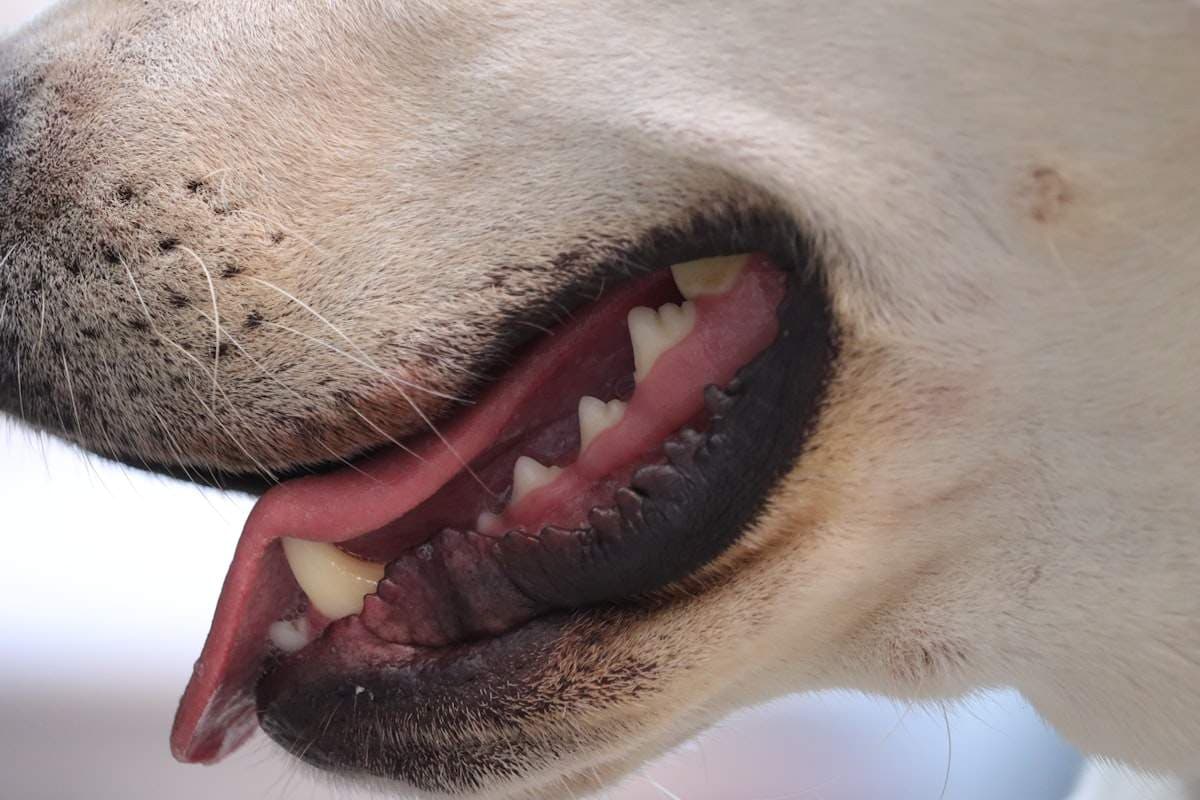
If there is one area of pet health that tends to fly under the radar, it is dental care. Most pet owners are diligent about vaccinations, parasite prevention, and annual exams – but oral health often does not get the same attention until a problem becomes impossible to ignore. The reality is that dental disease is the most commonly diagnosed health condition in companion animals, and by age three, the majority of dogs and cats already show signs of periodontal disease.
At Fernwood Veterinary Clinic, dental care is a core part of our practice. Here is what every pet owner should know.
Why Dental Health Matters More Than You Think
Dental disease does not just cause bad breath. Left untreated, bacteria from infected gums can enter the bloodstream and affect major organs – including the heart, kidneys, and liver. What begins as mild tartar accumulation can progress to painful gum inflammation, tooth root abscesses, loose teeth, and chronic infections.
The challenge is that pets are remarkably good at hiding oral pain. A dog with a cracked tooth or a cat with inflamed gums will often continue eating and behaving relatively normally, even when they are in significant discomfort. That is why regular dental assessments – and not waiting for obvious symptoms – is so important.
What a Professional Dental Cleaning Involves
A professional dental cleaning at our clinic is a thorough procedure performed under general anaesthesia. This is not optional – anaesthesia allows us to conduct a complete oral examination, clean below the gum line where disease actually develops, and take full-mouth digital radiographs without causing stress or pain.
Here is what the process looks like:
- Pre-anaesthetic assessment – a physical exam and blood work to ensure your pet is a safe candidate for anaesthesia
- Ultrasonic scaling – removing tartar and plaque from all tooth surfaces, including below the gum line
- Gum pocket assessment – measuring the depth of the space between each tooth and gum to identify periodontal disease
- Full-mouth digital radiographs – approximately 60 per cent of each tooth lies below the gum line, so X-rays are essential for identifying hidden problems like root abscesses, bone loss, or fractured roots
- Polishing – smoothing the tooth surfaces to slow future plaque accumulation
- Detailed charting – documenting the condition of every tooth for your pet's permanent record
- Extractions if needed – removing teeth that are too damaged or diseased to save, using appropriate pain management
One of our clients recently shared that they had been quoted significantly more for the same dental procedure at another clinic. We are committed to fair, transparent pricing – and more importantly, to doing thorough work that addresses the actual problem.
Warning Signs to Watch For
Between dental visits, keep an eye out for these common signs of oral disease:
- Persistent bad breath (halitosis)
- Yellow or brown tartar build-up, particularly along the gum line
- Red, swollen, or bleeding gums
- Difficulty chewing or dropping food
- Pawing at the mouth or face
- Reluctance to be touched around the head
- Excessive drooling
- Swelling below the eye, which may indicate a tooth root abscess
If you notice any of these, do not wait for your pet's next scheduled visit – call us so we can assess the situation.
What You Can Do at Home
Professional cleanings are essential, but what happens between visits matters too. The gold standard for at-home dental care is daily tooth brushing with a pet-specific toothpaste. We know that is not always realistic for every pet and owner, so we also recommend:
- Dental chews – look for products with the Veterinary Oral Health Council (VOHC) seal of acceptance
- Water additives – enzyme-based additives that help reduce bacterial load
- Dental diets – specially formulated kibble designed to mechanically clean teeth as your pet chews
- Dental wipes – a good alternative for pets that will not tolerate a toothbrush
Our team is happy to demonstrate brushing techniques and help you find a routine that works for your pet. Even a few minutes of dental care each week can make a meaningful difference.
When Should Dental Care Start?
The short answer: early. We begin assessing dental development during puppy and kitten visits and can identify potential issues – such as retained baby teeth – before they cause problems. For adult pets, we evaluate oral health at every wellness exam and recommend professional cleanings based on what we find.
There is no age that is "too old" for dental care, either. Senior pets often benefit enormously from dental cleanings, particularly when chronic oral infections have been silently affecting their comfort and overall health. With appropriate pre-anaesthetic screening, dental procedures can be performed safely in older patients.
The Bottom Line
Dental disease is common, progressive, and largely preventable. A combination of professional cleanings and consistent at-home care can protect your pet from pain, systemic health complications, and costly emergency treatment down the road.
If your pet is due for a dental assessment – or if you have noticed any of the warning signs above – we are here to help. Give us a call or book through PetDesk to schedule an appointment.
Have Questions About Your Pet's Health?
Our team at Fernwood Veterinary Clinic is here to help. Book a wellness exam or give us a call — we would love to see your companion.