Understanding Pet Surgery: What to Expect Before, During, and After
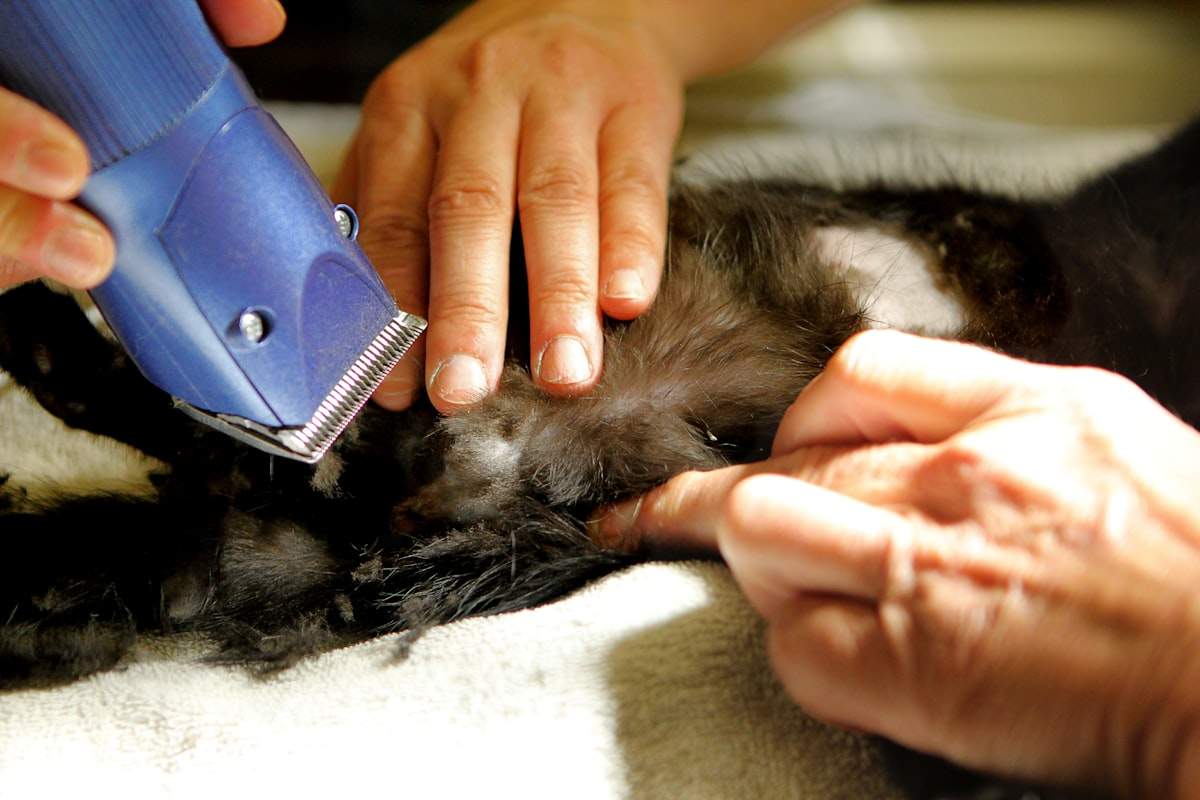
Learning that your pet needs surgery – whether it is a routine spay or neuter, a dental extraction, or a more complex soft tissue procedure – can be an anxious experience. At Fernwood Veterinary Clinic, we believe that understanding the process helps ease that anxiety. Here is a transparent look at what happens before, during, and after surgery at our clinic.
Before Surgery: Preparation and Screening
Every surgical patient at our clinic undergoes a thorough pre-operative assessment. This is not just a formality – it is a critical safety step.
Physical examination: We perform a full hands-on exam to assess your pet's overall health and identify any concerns that could affect the procedure or anaesthesia.
Pre-operative blood work: Blood panels assess organ function, particularly the liver and kidneys, which are responsible for processing anaesthetic drugs. This screening can reveal hidden conditions that may require us to adjust our approach.
Individualised anaesthetic protocol: There is no one-size-fits-all approach to anaesthesia. We tailor every protocol based on your pet's species, breed, age, weight, health status, and the nature of the procedure. Some breeds have known sensitivities to certain drugs, and geriatric patients require a different approach than young, healthy animals.
Fasting instructions: We will provide clear guidelines on when to withhold food and water before the procedure. Following these instructions is important for your pet's safety under anaesthesia.
During Surgery: Safety, Sterility, and Monitoring
Our surgical suite is equipped for a wide range of procedures, and we apply the same rigorous standards to every case.
Sterile technique: All surgical instruments are individually wrapped and autoclaved. The surgical suite is thoroughly cleaned between procedures, and sterile fields are maintained throughout every operation.
Continuous monitoring: While your pet is under anaesthesia, a dedicated team member monitors heart rate, blood pressure, oxygen saturation, respiratory rate, and body temperature in real time. We use active warming equipment to prevent hypothermia, which is one of the most common risks during procedures.
Pain management: We take a multimodal approach to pain control, administering appropriate analgesics before, during, and after surgery. Our goal is for your pet to wake up as comfortable as possible.
One of our clients, Burke, shared that he was thoroughly impressed with the care his dog received during her spay at our clinic – noting that the team took exceptional care before, during, and after the procedure. That is exactly the standard we hold ourselves to with every surgical patient.
Common Procedures We Perform
Our surgical services cover a broad range of needs:
- Spay (ovariohysterectomy) – prevents unwanted pregnancy, significantly reduces the risk of mammary tumours and eliminates the risk of uterine infections (pyometra)
- Neuter (orchidectomy) – prevents reproduction, reduces hormone-driven behaviours, and lowers the risk of prostate disease and testicular cancer
- Dental extractions – surgical removal of damaged, fractured, or severely diseased teeth
- Soft tissue surgery – including mass removals, bladder surgery, and intestinal procedures
- Ocular and periocular surgery – eyelid abnormalities, cherry eye repair, and entropion correction
After Surgery: Recovery and Follow-Up
The care your pet receives after surgery is just as important as the procedure itself.
In-clinic recovery: Your pet wakes up in a warm, quiet recovery space under close supervision. We perform regular pain assessments and administer additional analgesia as needed.
Discharge instructions: When your pet is ready to go home, we provide thorough written and verbal post-operative instructions. These cover activity restrictions, incision care, medication schedules, feeding guidelines, and warning signs to watch for.
Phone support: We are available by phone during your pet's recovery period. If something does not look right or you have a question about your pet's behaviour, we want you to call – there is no such thing as a question that is too small.
Follow-up appointments: Depending on the procedure, we will schedule a follow-up visit to check the incision site, remove sutures if applicable, and confirm that your pet is healing well.
How to Prepare at Home
A few practical steps can help your pet's surgical experience go smoothly:
- Follow fasting instructions carefully – an empty stomach significantly reduces anaesthetic risk
- Prepare a quiet recovery space at home – away from other pets and children, with easy access to water
- Plan to limit activity for the recommended period – this usually means no running, jumping, or rough play for seven to fourteen days
- Have your pet's medications ready – we will dispense any post-operative pain relief or antibiotics at discharge
- Keep the incision clean and dry – no baths or swimming until we give the all-clear
Our Commitment
Every surgery at Fernwood Veterinary Clinic – from the most routine to the most complex – receives the same meticulous attention to safety, sterility, and patient comfort. We understand that entrusting your pet to a surgical team requires trust, and we take that responsibility seriously.
If your pet has been recommended for surgery, or if you have questions about an upcoming procedure, please do not hesitate to reach out. We are always happy to walk you through the process and answer any questions you may have.
Have Questions About Your Pet's Health?
Our team at Fernwood Veterinary Clinic is here to help. Book a wellness exam or give us a call — we would love to see your companion.