What Happens During a Wellness Exam? A Complete Guide for Pet Owners
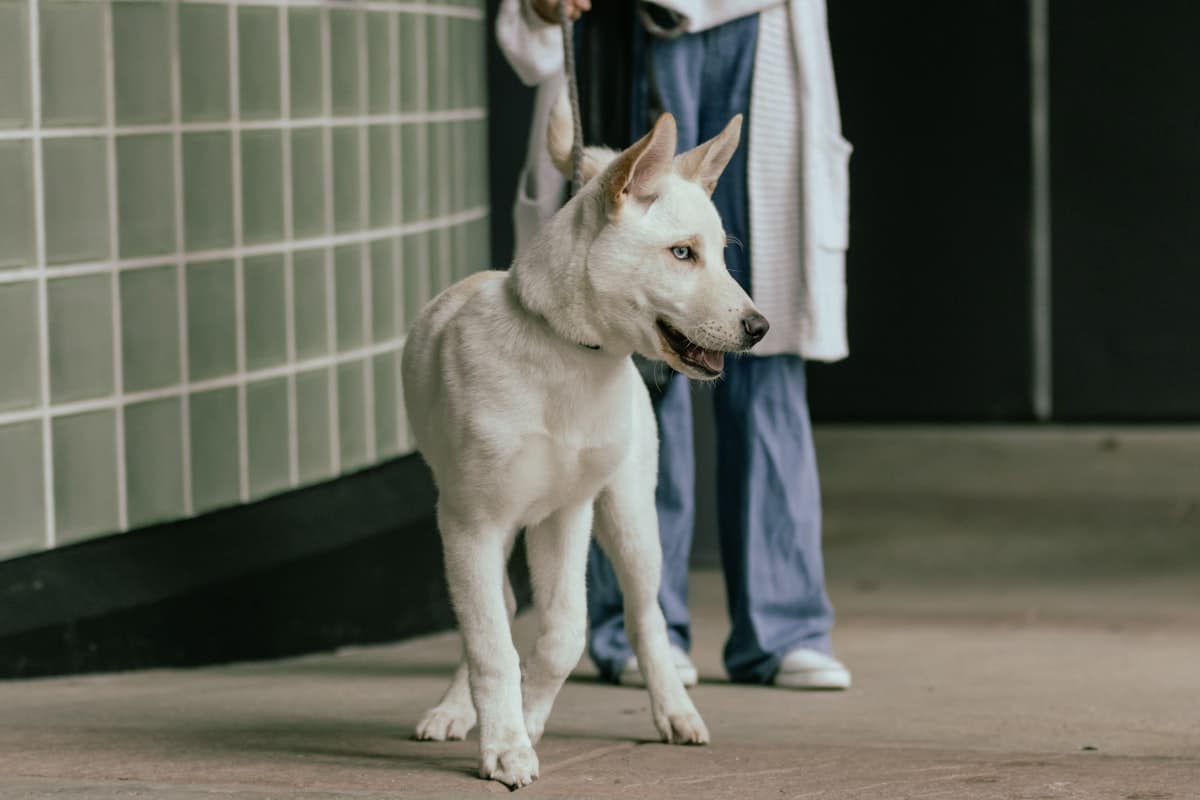
If you have ever wondered what actually happens behind the exam room door during your pet's annual check-up, you are not alone. Many pet owners bring their companions in for routine visits without fully understanding the scope of what we are assessing – and that is a missed opportunity. The more you know about what a wellness exam involves, the more actively you can participate in your pet's healthcare.
At Fernwood Veterinary Clinic, wellness and preventive care is the foundation of everything we do. Here is what a typical wellness visit looks like from start to finish.
The Nose-to-Tail Physical Examination
Every wellness visit begins with a comprehensive physical examination. This is not a quick glance – it is a systematic, hands-on assessment that covers your pet's entire body. We evaluate:
- Eyes and ears – checking for discharge, inflammation, infection, or early signs of cataracts
- Mouth and teeth – assessing dental health, gum colour, and signs of periodontal disease
- Heart and lungs – listening with a stethoscope for murmurs, arrhythmias, or abnormal lung sounds
- Abdomen – palpating for organ enlargement, masses, or signs of discomfort
- Skin and coat – looking for parasites, lumps, hair loss, or irritation
- Musculoskeletal system – evaluating joints, gait, and range of motion
- Lymph nodes – checking for swelling that could indicate infection or other concerns
- Weight and body condition – scoring your pet's overall body condition against breed and age standards
This thorough assessment gives us a baseline picture of your pet's health – one that becomes increasingly valuable over time as we track changes from visit to visit.
Vaccinations Tailored to Your Pet
Not every pet needs the same vaccines. We tailor vaccination schedules based on your pet's species, age, lifestyle, and risk factors. A cat that lives exclusively indoors has very different needs than a dog that frequents off-leash parks, beaches, or boarding facilities.
Core vaccines protect against the most common and serious diseases. Lifestyle vaccines are recommended based on individual risk. We will always discuss which vaccines we recommend and why, so you can make an informed decision.
As one of our clients, Paula, shared after a recent visit: her dog Roscoe had not had a great experience with vets before, but our team took the time to evaluate him and administer his yearly vaccines at a pace that kept him comfortable. That is exactly the approach we aim for – thorough care delivered with patience.
Parasite Prevention and Screening
Parasites are not just a nuisance – they can cause serious illness in pets and, in some cases, pose a risk to human family members. During a wellness visit, we review your pet's parasite prevention programme and may recommend faecal testing to screen for intestinal parasites.
We discuss flea, tick, and heartworm prevention options that suit your pet's lifestyle and the seasonal risks here in Victoria and on Vancouver Island.
Life-Stage Blood Screening
Blood work is one of the most powerful tools in preventive medicine. For adult pets, we may recommend baseline blood panels to establish what is normal for your individual animal. For senior pets – those bi-annual visits we recommend – comprehensive blood work becomes essential for catching early changes in kidney function, liver enzymes, thyroid levels, and blood cell counts.
Many conditions that are highly manageable when caught early, such as kidney disease or hypothyroidism, show up on blood work long before your pet shows any visible signs at home.
Nutritional Counselling and Weight Management
Maintaining a healthy weight is one of the single most impactful things you can do for your pet's quality of life and longevity. During each wellness visit, we assess your pet's weight and body condition score and discuss nutrition. If your pet needs a dietary change – whether for weight management, a food sensitivity, or a diagnosed condition – we provide evidence-based guidance and can prescribe therapeutic diets when appropriate.
What About Puppies, Kittens, and Seniors?
The frequency and focus of wellness visits changes across your pet's life stages:
- Puppies and kittens visit more frequently in their first year to complete their vaccination series, screen for congenital conditions, and establish a parasite prevention programme.
- Healthy adult pets benefit from annual comprehensive exams.
- Senior pets (typically seven years and older for dogs, nine or ten for cats) should be seen every six months. Age-related conditions develop faster than many owners realise, and those extra visits genuinely make a difference.
Why It Matters
Prevention is always less costly and less stressful than treatment. A wellness exam is not just about checking boxes – it is about building a relationship with your pet's healthcare team, catching problems before they become serious, and giving your companion the best chance at a long, healthy, and comfortable life.
If your pet is due for a wellness visit – or if you are a new pet owner wondering where to start – we would love to hear from you. Book online through PetDesk or give us a call at the clinic.
Have Questions About Your Pet's Health?
Our team at Fernwood Veterinary Clinic is here to help. Book a wellness exam or give us a call — we would love to see your companion.